Patients have no way to measure a surgeon's skill before they book. So they judge what they can see: the name, the website, the room they walk into. Most dental and medical practice websites are generic, broken and hard to navigate, and patients read that sameness as ordinary care. For a specialist with real expertise, that costs patients before the first call.
We worked through this with a robotic dental implant practice. It came down to five decisions.
The name was doing the wrong job
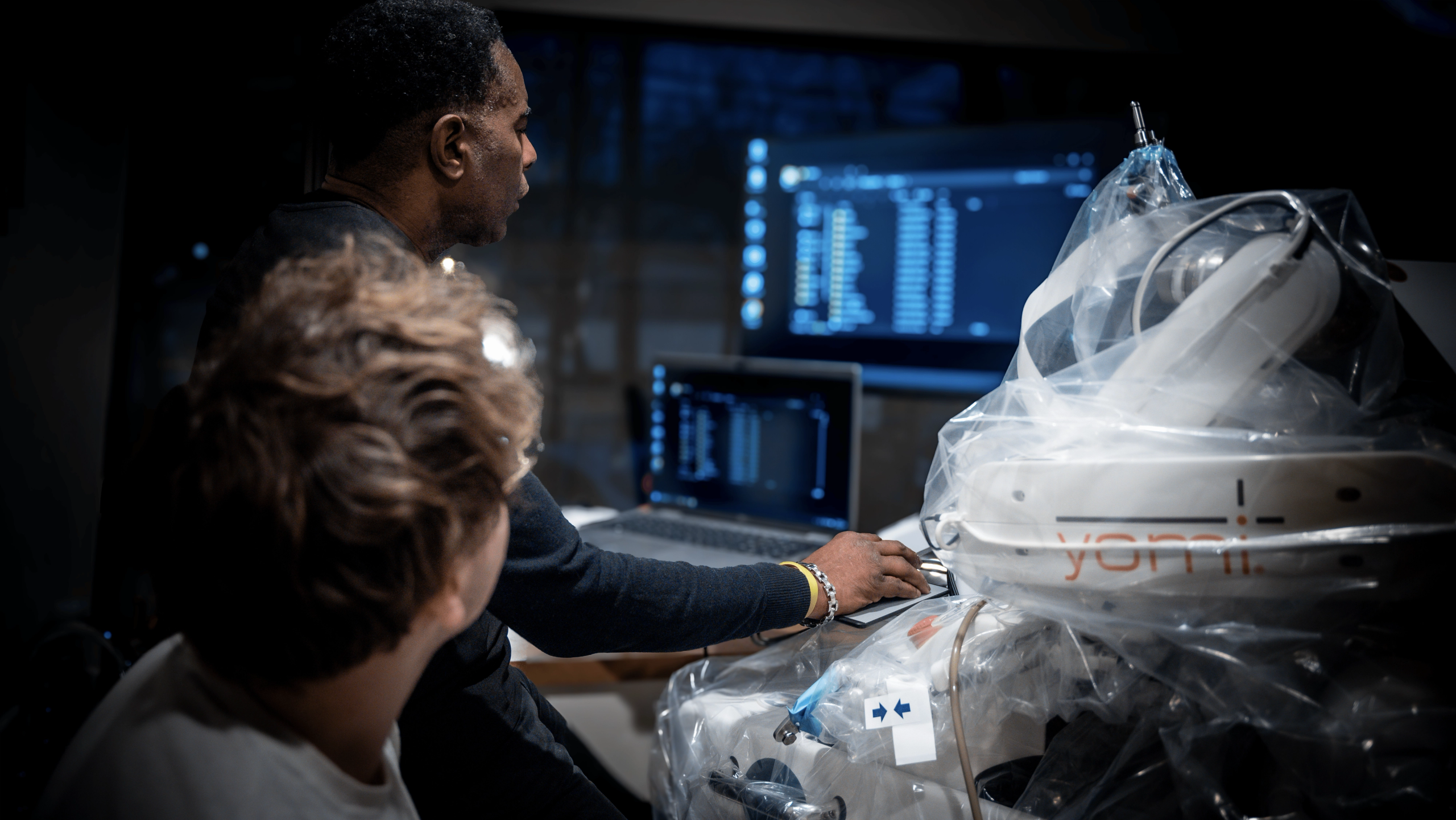
According to the practice, Dr. Greg Pedro's clinic was the first on Staten Island to offer Yomi robot-assisted implant surgery, and one of the first practices in New York. He brings more than thirty years of clinical experience, and the practice reports over 15,000 implants. But that work lived under About Face Dental & Aesthetic Boutique, the dental med-spa he runs on Staten Island, which also offers aesthetic treatments. It's a strong name for an aesthetic practice, but it wasn't built to carry robotic implant surgery. A patient weighing surgery is making a different kind of decision than someone booking a cosmetic treatment, and the name needed to say so.
So we didn't replace About Face. We pulled the implant practice out into its own brand: Robotic Implant Center, a name that states the specialty before anyone reads a line of copy.
Not every practice needs a new name. But if one name is carrying two very different kinds of care, it isn't working for you. Naming is one of the bigger calls in any rebrand, and we settle it before anyone draws a logo.
We chose not to explain the robotics
The instinct with advanced technology is to explain it. Diagrams, jargon, long pages on how the system works. It backfires. A patient facing surgery wants to feel they're in capable hands, and a lecture doesn't do that.
At Robotic Implant Center we let the technology come through in clarity, authority, and restraint, with no technical language. The aim was for the robotics to read as a reason to trust the practice.
A logo doesn't have to explain the business
It's tempting to put a tooth in a dental logo. We don't think a logo has to say what a business does. It's a container that builds meaning over time, and what matters is that it's distinctive, memorable and right for the practice.
The name already states the specialty, so the identity didn't have to. The logo pairs a wordmark with an icon, set in a warm signature blue we call RIC Blue. The icon is an abstract take on a dental implant screw, abstract enough that most people won't see the screw until someone points it out. It doesn't need to be read literally. It needs to become recognizably theirs, and it's strong enough to stand on its own when it has to.

Discovery started in the building
A clinic's brand is the reception desk, the signage, and the route from the door to the chair, as much as the logo. So discovery began on site. Our team walked the space and photographed every detail, so the identity came from the clinic's real environment and patient flow instead of a mood board. A brand that looks right online and then disappears at the front door leaves a gap patients feel.
Brand and website, built as one
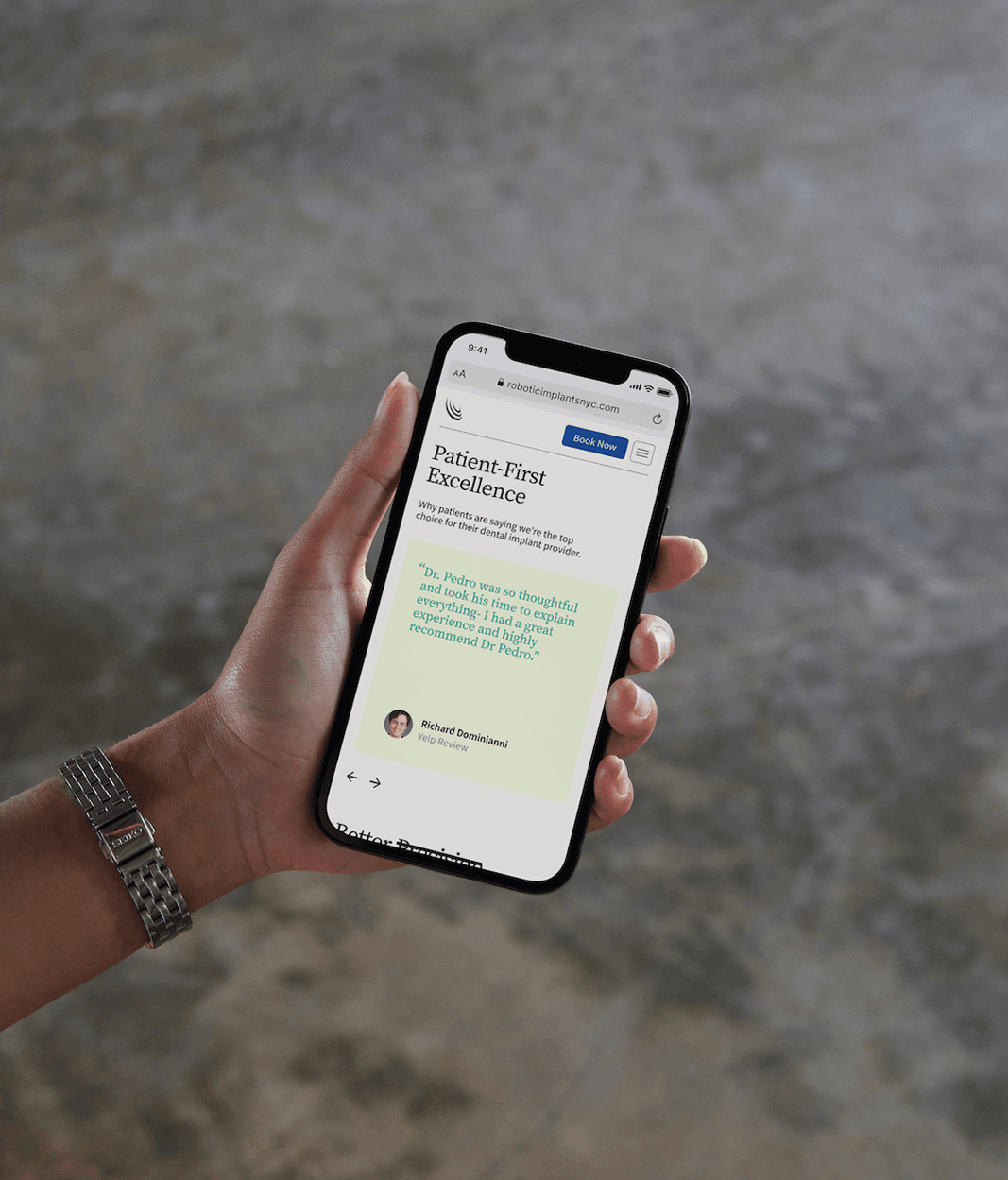
For a specialty clinic the website is usually the first appointment. It's where patients decide whether to call, and with a complex procedure they come back to read it again before they commit. When separate firms handle the identity and the site, trust gets lost in the handoff.
We build the brand and the website as one team. The scope here covered brand strategy, naming, logo, digital experience, web, engineering, and motion and video, with my partner Kyrylo Orlov leading the digital build. Kyrylo puts the standard simply: "Great design is not the coolest version of something. It's the version that works." For a patient weighing surgery, the version that works is calm, clear and easy to trust.
This holds for any specialist who needs trust before the first visit. Whether it calls for a full rebrand or something lighter, we start with the same questions we ask every client: What are your goals? What's changing? What do you want to achieve?
If your practice or clinic is at that kind of turning point, let's talk.
Frequently asked questions
What is dental practice branding?
Dental practice branding is everything that shapes how patients see a practice before and during their visit: the name, logo, colors, tone, website, signage and the clinic itself. For a specialty practice, its job is to make the practice's real expertise visible.
How is dental branding different from dental marketing?
Branding decides who the practice is and how it looks and sounds. Marketing brings patients to it through ads, search, reviews and social media. Marketing works better when the brand underneath is clear, because every campaign points to a practice patients can recognize.
What makes a good dental logo?
A good dental logo doesn't have to show what the practice does, so it doesn't need a tooth or a screw. A logo is a container that builds meaning over time. What matters is that it's distinctive, memorable and right for the practice, and that it works at every size, from a website header to the sign outside.